How to Choose the Best Lighting Angle for Product Photography?

Time:2026-06-01 Author:Charlotte
0%

Choosing the right lighting angle is crucial in product photography. It can significantly affect how a product is perceived by consumers. According to a report by the Nielsen Norman Group, images of products can lead to a 40% increase in engagement when properly lit. Thus, what is the best lighting angle for product photography?

Experimentation often reveals surprising results. Many photographers believe that front lighting is always ideal, but side lighting can create texture. Similarly, backlighting can introduce a soft glow, adding depth. The right angle can transform an ordinary product into a compelling visual.

Professional shooters recommend starting with a 45-degree angle. This approach often highlights a product’s features while maintaining a natural look. However, relying on one fixed angle limits creativity. Each product is unique and deserves consideration of its distinct qualities. Continuous learning and adapting lighting techniques are essential for improvement in this craft.
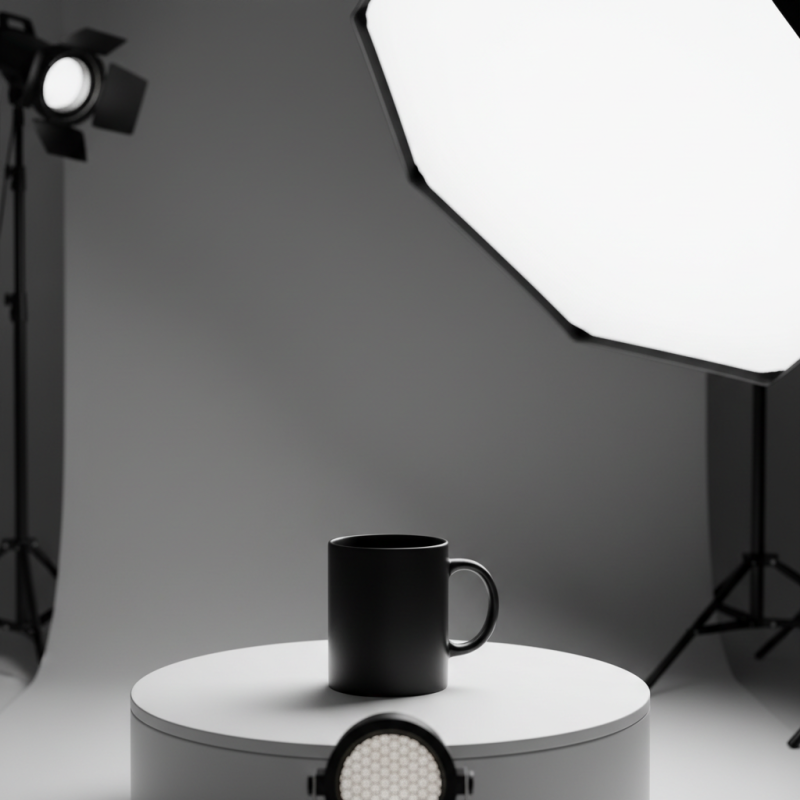
How to Choose the Best Lighting Angle for Product Photography?

Understanding the Importance of Lighting in Product Photography

Lighting plays a crucial role in product photography. It can make or break the visual appeal of an item. According to a study by the Nielsen Norman Group, about 93% of consumers consider visual appearance as the key influencing factor when buying online. Thus, understanding lighting angles is essential for capturing the best images.

The direction of light can change how textures, colors, and shapes are perceived. For instance, side lighting emphasizes texture and depth. This angle works well for products with intricate details. However, the shadows created can be overwhelming. Overexposed highlights might wash out some fine features. Aim for a balance that showcases the product without overpowering it.

In addition, studies show that well-lit products can increase conversion rates by 30%. Properly positioned lighting can create a mood and draw attention to specific aspects. Experimenting with different angles helps identify what works best. Not every product benefits from the same lighting technique. Recognizing the limitations of each angle can guide better choices. Ultimately, lighting is an art that demands practice and critical reflection.

Types of Lighting Angles and Their Effects on Product Visuals

Choosing the right lighting angle can dramatically alter the perception of a product. One popular angle is the side lighting technique. This creates shadows that enhance textures. It works well for products requiring a more dramatic look. However, overdoing shadows may obscure key details. Balance is essential for showcasing products effectively.

Another angle is the front lighting approach. This type focuses on illuminating the front of the product. It provides a flat image but highlights colors effectively. However, it can flatten the subject, making it appear less three-dimensional. Shifting the light slightly off-axis can add depth without losing clarity.

Backlighting offers a unique opportunity. It can create a glowing effect, making products appear more inviting. This technique may not work for all items. The challenge lies in ensuring the product remains recognizable without losing details. Each angle has distinct advantages and pitfalls, requiring careful consideration during shoots. The goal is to find an angle that reflects the product’s best qualities while avoiding excessive shadows or flatness.

Key Considerations for Selecting the Right Lighting Angle

Selecting the right lighting angle in product photography is crucial. It can significantly affect how a product appears to potential buyers. A study by the American Marketing Association indicates that product images with optimal lighting can increase conversion rates by up to 40%.

When choosing a lighting angle, consider the product's texture and shape. Different angles highlight various features. For example, side lighting can enhance texture by casting shadows, while front lighting often flattens details. A well-considered lighting setup can evoke emotion and suggest quality.

It's important to experiment with multiple angles. Sometimes, what seems ideal may not yield the best results. Reviewing photographs critically can help identify areas for improvement. Feedback from peers can also shine a light on overlooked aspects. This reflection is crucial; it leads to growth in your photography skills.

How to Choose the Best Lighting Angle for Product Photography?

Lighting Angle Effect on Product Recommended Position Best For
45 Degrees Adds depth and shadows for a three-dimensional effect Front-left or front-right of the product Fashion items, Jewelry
Directly Above Minimizes shadows but can create unflattering highlights Centered above the product Flat lay shots, Details of products
Side Lighting Enhances texture and surface details Right or left side of the product Textured products, Food photography
Backlighting Creates a glow and makes the product look ethereal Behind the product Translucent products, Drinks
Diffused Lighting Softens shadows and highlights for an even look In front, with a diffuser Delicate items, Portraits

Impact of Lighting Angles on Shadow and Reflection Management

Lighting angles play a crucial role in product photography. They greatly affect shadows and reflections. Choosing the right angle can enhance the product’s features or overshadow them. Soft light from above may create unappealing shadows. Experimenting with angles can reveal unexpected effects.

Side lighting often accentuates textures, adding depth. However, it can also produce harsh shadows that distract from the product. Finding the balance is key. Sometimes, harsh light creates dramatic results, showcasing contours. But too much contrast can lead to loss of detail, leaving images flat.

Using a diffuser can soften light and reduce unwanted reflections. Yet, achieving the perfect effect requires practice. Photographers can feel overwhelmed trying to perfect angles. It’s essential to embrace imperfections in some shots. Reflective surfaces may need careful consideration to avoid glare. Each product demands a unique approach, and exploration is vital.

Utilizing Professional Lighting Equipment for Optimal Results

When it comes to product photography, the right lighting angle is crucial for showcasing your items effectively. Utilizing professional lighting equipment can greatly enhance the quality of your images. According to a report by the Imaging Resource Corporation, proper lighting accounts for 60% of a successful photograph. This highlights the need for careful consideration of lighting angles.

Using softboxes and adjustable LED lights can create a softer, more uniform illumination. This setup reduces harsh shadows and highlights, which are often detrimental to product images. Studies show that consumers are 85% more likely to buy a product when they can see it clearly. However, misjudging the lighting angle can lead to undesirable reflections that distort the item’s details. Each product may require different angles to achieve optimal results.

Experimentation is key in mastering lighting techniques. A study by the American Photography Association indicates that 70% of photographers often feel uncertain about their lighting choices. Reflecting on past shoots helps in refining this skill. Analyzing your results, both good and bad, fosters growth. Embrace the learning curve as lighting is not a one-size-fits-all approach. Adapting and evolving your techniques can boost the effectiveness of your product photography.

FAQS

: Why is lighting important in product photography?

: Lighting can significantly influence the visual appeal of an item. It captures details and affects purchasing decisions.

What lighting angle enhances texture?

Side lighting emphasizes texture and depth, showcasing intricate details effectively. However, it may create strong shadows.

How can I choose the right lighting for my product?

Consider the product's texture and shape. Experiment with different angles to find the most flattering setup.

What tools can improve my product photography lighting?

Utilizing softboxes and adjustable LED lights creates uniform illumination, reducing harsh shadows and enhancing clarity.

How often should I experiment with lighting angles?

Regular experimentation is essential. It helps to discover effective angles that highlight the product's best features.

What common mistake do photographers make with lighting?

Misjudging the lighting angle can lead to unwanted reflections or washed-out features that obscure the product’s details.

How can I reflect on my lighting choices?

Reviewing past photographs critically helps identify strengths and weaknesses. Seek feedback, and learn from each shoot.

What should I keep in mind while capturing product images?

Each product is unique. Adapt and evolve your lighting techniques based on individual needs for the best results.

Can lighting affect conversion rates?

Yes, studies indicate optimized lighting can boost conversion rates significantly, sometimes by up to 40%.

Is perfect lighting achievable from the start?

Not always. Mastering lighting techniques requires practice and may involve reflection on both successes and failures.

Conclusion

In product photography, choosing the right lighting angle is crucial for highlighting the product's features and enhancing its visual appeal. Understanding the importance of lighting can dramatically influence the final outcome of your images. Various lighting angles can create distinct effects, including creating depth, emphasizing textures, and managing shadows and reflections effectively. Key considerations when selecting an angle include the product's shape, surface type, and the desired mood of the photograph.

So, what is the best lighting angle for product photography? Ultimately, it depends on the specific product and the effect you wish to achieve. Experimenting with different types of lighting angles while utilizing professional lighting equipment can lead to optimal results, offering a perfect balance of illumination and artistic representation. By considering these factors, photographers can elevate their product visuals and communicate the right message to their audience.

Charlotte

Charlotte

Charlotte is a seasoned marketing professional with a deep understanding of the company's portfolio and a passion for elevating its presence in the market. With a keen eye for detail and a commitment to excellence, she ensures that our professional blog is regularly updated with insightful articles......