How to Calculate the Ideal Lumens for Your Living Room

Time:2026-07-22 Author:Aria
0%

Choosing the right lighting for your living room is essential. It impacts mood, functionality, and aesthetics. Understanding how to calculate the correct lumens for a living room can seem daunting. Yet, it is crucial for creating a warm and inviting space.

The ideal lumens depend on factors such as room size, decor, and personal preferences. For instance, a small living room may require fewer lumens than a large, open space. Consider also the color of your walls and furniture. Darker colors absorb light, while lighter hues reflect it. You might find yourself adjusting your calculations based on these elements.

Ultimately, finding the perfect balance of brightness is a personal journey. It takes experimentation and observation. Don't hesitate to evaluate your choices regularly. The goal is to feel comfortable and create an ambiance that resonates with you.
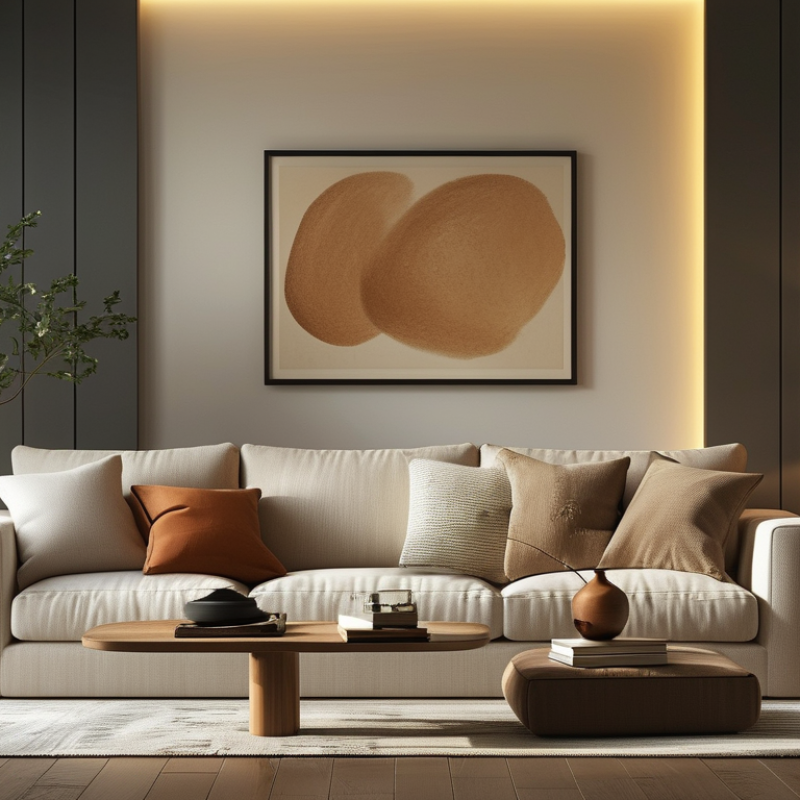
How to Calculate the Ideal Lumens for Your Living Room

Understanding Lumens and Their Importance in Lighting

Understanding lumens is crucial in lighting design. Lumens measure brightness, influencing the ambiance of any space. A well-lit living room makes activities enjoyable. According to the Illuminating Engineering Society, living rooms should aim for about 100-300 lumens per square meter, depending on the room's use.

Choosing the right lumens can be tricky. Consider layering your lighting. Use ambient, task, and accent fixtures for optimal illumination. For example, larger rooms may require around 2,000-3,000 lumens, while smaller spaces need 1,000-2,000 lumens. Remember, it’s not just about quantity but quality as well. A poorly placed light can lead to harsh shadows or glare.

Tips: Take note of your room’s color scheme. Light colors reflect more light, requiring fewer lumens. Dark colors absorb light, so you might need more lumens for the same effect. Always test light levels before finalizing your choices. Adjusting brightness can significantly enhance comfort. If unsure, consult a light designer for personalized advice. Trusting professional insights can lead to enhanced lighting satisfaction.

Factors Influencing Lumens in a Living Room

When determining the ideal lumens for your living room, several key factors come into play. Room size is crucial. A typical recommendation is around 100-200 lumens per square meter. For example, a 20 square meter room would need 2,000 to 4,000 lumens total. This range often provides sufficient light for general activities without excessive glare.

Color scheme impacts how light appears in a space. Darker colors absorb more light, requiring a higher lumen output. Light-colored walls reflect light, potentially needing fewer lumens. According to the American Lighting Association, using soft, warm lights can enhance the warmth and comfort of a living area.

Tips: Consider your furniture arrangement. How does light interact with it? Experiment with different placements to find the best setup. Layering light sources—ambient, task, and accent—also helps. Each layer offers unique illumination levels. Be prepared to adjust based on your usage. If the area feels dark at night, consider adding more sources or changing the bulb type. Sometimes, trying dimmable options can lead to better lighting solutions.

Ideal Lumens for Your Living Room

This chart illustrates the recommended lumens for different lighting levels in a living room. Dim lighting requires around 100 lumens, soft lighting approximately 300 lumens, and bright lighting about 600 lumens to create a comfortable and functional living space.

Calculating the Ideal Lumens Based on Room Size

When determining the ideal lumens for your living room, room size is a crucial factor. Measure the area in square feet. A general rule is to aim for 10-20 lumens per square foot. For instance, a 200-square-foot room requires 2,000 to 4,000 lumens. This range provides a starting point for your lighting needs.

Consider the activities you engage in within this space. Reading and working might necessitate higher lumens. Social gatherings might require softer lighting for a more intimate ambiance. Layer your lighting by incorporating ambient, task, and accent lights. This approach enriches the overall experience and allows flexibility based on your needs.

It's imperative to reflect on your choices. You might occasionally find your lighting overpowering or too dim after a few days. Adjusting your selections according to how you use the room can lead to a better fit. Experimenting with different setups helps in understanding what works best for your lifestyle.

Adjusting Lumens for Different Activities and Ambiance

Lighting in your living room can set the mood for various activities. For relaxation, softer lighting is preferable. Aim for around 100-300 lumens per square meter. This softer glow creates a cozy environment. It’s inviting for reading or watching a movie. Use dimmers to adjust the brightness based on your preferences.

For work or hobbies, brighter light is essential. Consider 300-500 lumens per square meter for tasks requiring focus. A well-lit area reduces eye strain. Think about task lighting, such as desk lamps. They can provide additional brightness where you need it most. Balancing ambient and task lighting is crucial.

Don’t overlook the impact of color temperature. Warmer tones create a welcoming atmosphere. Cooler tones can energize the space. Experiment with different setups. It might take several tries to achieve the right balance. Your living room should reflect your personal style and meet your needs. Adjusting lumens is key to making that happen.

How to Calculate the Ideal Lumens for Your Living Room

Activity Recommended Lumens Notes
Reading 300-500 Lumens Bright lighting preferred for clarity
Watching TV 100-300 Lumens Soft, ambient lighting reduces glare
Socializing 150-400 Lumens Warm lighting for a cozy atmosphere
Cooking 400-800 Lumens Bright light for safety and precision
Relaxing 50-150 Lumens Soft lighting helps to create a calm space

Choosing the Right Bulbs to Achieve Desired Lumens

Choosing the right bulbs is crucial for achieving the ideal lumens in your living room. Consider the activities in the space. Reading and entertaining require different lighting levels. Fluorescent and LED bulbs offer versatility in brightness levels. They provide energy efficiency and longevity, making them practical options.

It's essential to assess the color temperature as well. A warm white light around 2700K can create a cozy atmosphere. In contrast, daylight bulbs at 5000K offer a bright, energizing environment. Think about the mood you wish to evoke. Experiment with different bulbs to find what feels right.

Don’t forget about the fixtures as well. Pendant lights and floor lamps can change the way light spreads in the room. Proper placement enhances functionality and aesthetics. Remember, it's okay if your choices aren’t perfect at first. Adjusting brightness levels and bulb types can be a process of trial and error. Stay open to refining your lighting for the best results.

FAQS

: What are lumens and why are they important in lighting?

: Lumens measure brightness and influence the ambiance of any space, making lighting choices crucial.

How many lumens should I aim for in a living room?

Aim for 100-300 lumens per square meter, depending on how you use the room, or 10-20 lumens per square foot.

What is layered lighting?

Layered lighting combines ambient, task, and accent fixtures to enhance overall illumination and flexibility in a room.

How do room colors affect lumens needed?

Light colors reflect light, needing fewer lumens. Dark colors absorb light, requiring more lumens for the same effect.

How can I calculate the ideal lumens for my space?

Measure your room size. A 200-square-foot room typically needs 2,000 to 4,000 lumens for effective lighting.

Why is bulb choice important for achieving desired lumens?

The right bulbs determine brightness and energy efficiency. Different activities need different lighting levels.

How can I adjust lighting if it feels too harsh?

Experiment with brightness levels and bulb types. Reflect on your experiences and adjust as necessary.

What role does color temperature play in lighting?

Color temperature affects mood; warm white light creates coziness, while daylight bulbs energize a space.

Can I trust my initial lighting selections?

Initial choices might not be perfect. It’s important to test and refine lighting until it fits your style.

How can fixtures impact my lighting?

The design and placement of fixtures can alter light spread. Proper placement enhances both functionality and aesthetics.

Conclusion

In the article "How to Calculate the Ideal Lumens for Your Living Room," readers are guided through the essential aspects of lumens, which are critical for effective lighting in any living space. The importance of understanding lumens is emphasized, as it directly affects the ambiance and functionality of a room. Various factors that influence the required lumens, such as room size, color schemes, and intended activities, are discussed to help homeowners make informed decisions.

To effectively answer the question of how to calculate the correct lumens for a living room, the article outlines a straightforward approach based on the specific dimensions of the space. It also suggests adjustments for different activities, ensuring that the lighting can cater to both relaxation and productivity. Finally, the selection of suitable bulbs is highlighted as a practical step towards achieving the desired lumens, enabling readers to create a comfortable and well-lit environment tailored to their needs.

Aria

Aria

Aria is a dedicated marketing professional with a deep passion for innovative strategies and a keen understanding of our company's product offerings. With a wealth of experience in the industry, Aria excels at crafting engaging content that highlights the unique features and benefits of our......